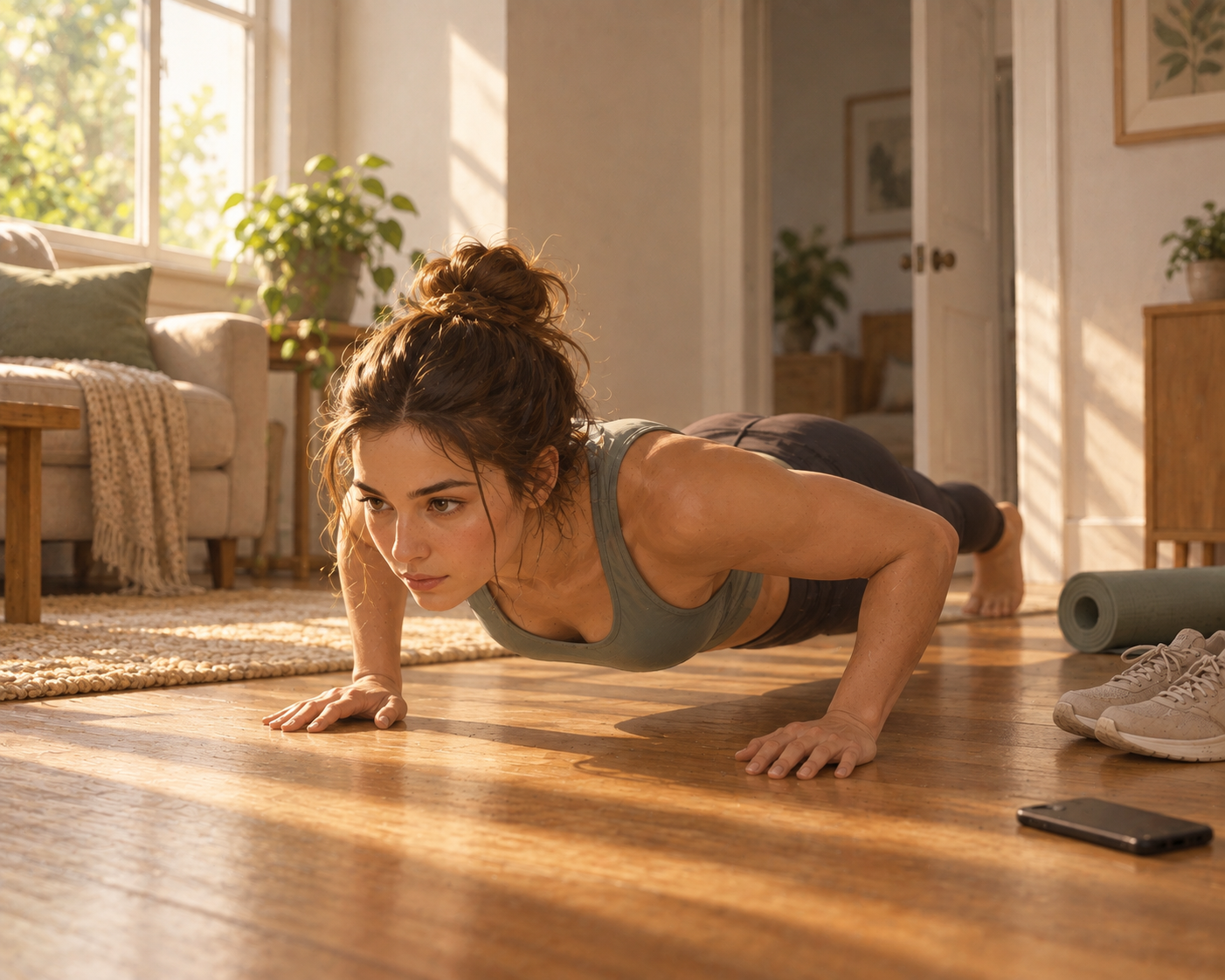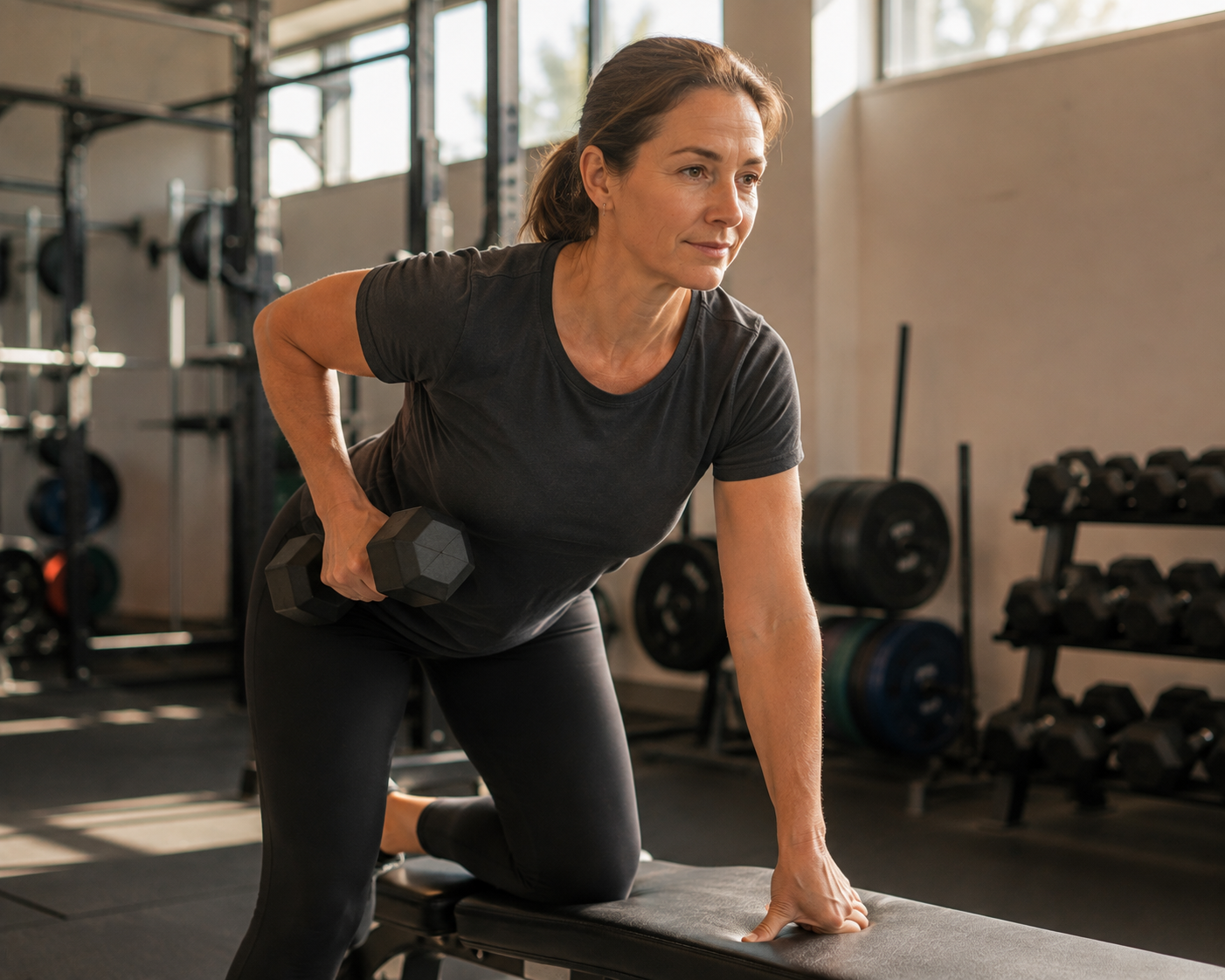
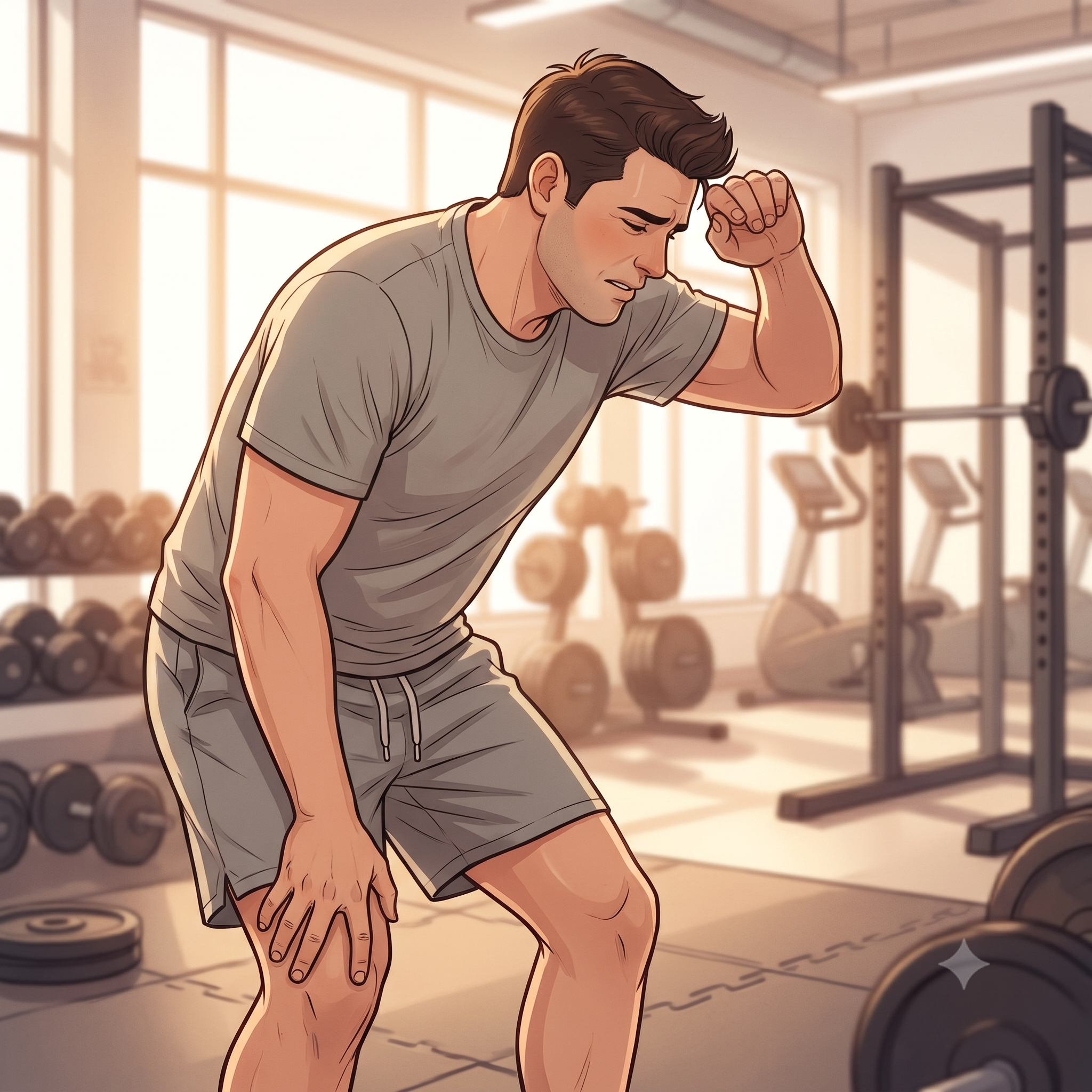
Few things derail a training routine faster than knee pain during workouts. That nagging ache when you squat, run or climb stairs is incredibly common — and the good news is that it's usually fixable. In most cases the knee is simply the messenger: the real problem lies in the muscles, mechanics or training habits around it.
Below are five of the most common causes of exercise-related knee pain and a practical fix for each. This is general educational information rather than medical advice, so if your pain is severe, persistent or came from a specific injury, see a doctor or physiotherapist before working through it.
Why do your knees hurt during workouts?
The most common form of exercise-related knee pain is patellofemoral pain — often called "runner's knee" — an ache around or behind the kneecap that worsens with loaded bending like squatting, running or descending stairs. It happens when stress is unevenly distributed under the kneecap, and that uneven load usually traces back to the wider "kinetic chain" of the hip, thigh and foot rather than the knee joint itself.
According to a clinical overview in StatPearls, the large majority of cases respond well to conservative measures — strengthening, mobility work and sensible load management — without any need for surgery. That's why the five fixes below focus on what's happening around the knee.
1Weak hips and glutes
This is the big one. When the muscles on the side of your hip — the glutes and hip abductors — are weak, they can't keep your thigh aligned under load. The knee then drifts inward (a movement called valgus) every time you squat, lunge or land, concentrating stress on the inner kneecap.
The evidence here is strong: a cross-sectional study of runners with patellofemoral pain found their hip abduction and knee-extensor strength was significantly lower than in pain-free runners. Strengthening the hips reduces that inward collapse and takes load off the knee.
The fix: Add hip and glute work twice a week — think side-lying leg raises, glute bridges, clamshells and lateral band walks. A set of fabric hip resistance bands makes these exercises far more effective.
2Tight quads, IT band and hip flexors
Tightness is the flip side of weakness. When the quadriceps, iliotibial (IT) band or hip flexors become stiff, they pull on the kneecap and alter how it tracks in its groove. A review of common knee injuries in runners notes that reduced flexibility in these structures increases compression of the kneecap against the thigh bone, which shows up as pain during loaded movement.
The fix: Spend a few minutes before and after training releasing tight tissue with a foam roller — rolling the quads, outer thigh and hip flexors — followed by gentle stretching. Avoid rolling directly on bone or the joint itself.
3Doing too much, too soon
Sometimes the tissue is fine and the problem is the training plan. Ramping up mileage, weight or session frequency faster than your knees can adapt is a classic trigger for overuse pain. Tendons and cartilage adapt more slowly than your enthusiasm, and sudden spikes in load are a leading cause of anterior knee pain.
The fix: Increase training load gradually — a rough guide is no more than about 10% more volume per week — and build in easier "deload" days. If pain flares, scale back rather than pushing through, then rebuild slowly.
4Poor form and technique
Even with strong, mobile muscles, sloppy technique can overload the knee. The most common fault is letting the knees cave inward during squats, lunges and step-downs, or letting the knee travel far past the toes on a single leg. Both shift stress onto the kneecap rep after rep.
The fix: Cue your knees to track over your toes and actively push them out on squats and lunges. Film a set from the front — if you see the knees dive inward, drop the weight, slow down, and rebuild the pattern. A coach or physio can spot faults you can't feel.
5Worn-out or wrong footwear
What's under your feet changes what happens at your knees. Old, broken-down shoes lose their cushioning and support, and footwear that doesn't suit your foot mechanics — for example, excessive inward rolling of the foot — can alter alignment all the way up the chain and increase knee stress during running and jumping.
The fix: Replace running shoes roughly every 300–500 miles, and choose footwear suited to your foot type and activity. If you suspect your foot mechanics are contributing, a gait assessment at a specialist running store or physio clinic can help.
Managing symptoms while you fix the cause
While you address the underlying issue, a few things can keep you comfortable and training. Warming up thoroughly, reducing painful ranges temporarily, and applying the load-management principles above all help. Some people also find a compression sleeve useful during sessions.
A knee compression sleeve can add warmth, mild support and a better sense of joint position, which some people find reassuring during workouts. Just remember it manages symptoms rather than the root cause — the fixes above are what create lasting change.
When to see a professional: Stop and get assessed by a doctor or physiotherapist if you have significant swelling, a knee that locks, catches or gives way, pain following a specific injury, or pain that is severe or hasn't improved after a couple of weeks of sensible self-care.
Putting it together
Most workout knee pain comes down to a fixable combination of weakness, tightness, load and technique — rarely the knee alone. Work through the five causes above, change one thing at a time, and give each adjustment a couple of weeks to take effect. Keeping a simple record of what you did and how your knee felt makes the pattern obvious, so you can tell which fix is actually working. Health Mentor AI can help you log your workouts and symptoms together and spot those trends. For building the kind of consistent routine that lets these fixes stick, our guide to systems that make fitness automatic is a useful companion.
Frequently Asked Questions
Why do my knees hurt during workouts?
Most exercise-related knee pain isn't a problem with the knee itself but with what's happening above and below it — weak hips, tight thigh muscles, poor technique, worn shoes, or simply doing too much too soon. These place uneven stress on the kneecap, which is why the fix usually lies elsewhere.
Should I stop working out if my knee hurts?
Mild aching that eases as you warm up often improves with load management and the fixes above. But sharp pain, swelling, a knee that locks or gives way, or pain that lingers for days means you should stop and see a doctor or physiotherapist rather than pushing through.
Can weak hips really cause knee pain?
Yes. Weak hip and glute muscles let the knee collapse inward under load, increasing stress on the kneecap. Research consistently links hip weakness to patellofemoral pain, and strengthening the hips is one of the most effective fixes.
Do knee sleeves help with knee pain?
A compression sleeve can improve comfort, warmth and your sense of joint position during workouts, which some people find helpful. But it manages symptoms rather than the cause — the lasting fix is addressing the underlying strength, mobility or technique issue.
Scientific References
- Jeong et al., StatPearls — Patellofemoral Syndrome (overview and conservative management)
- Analysis of lower limb muscle strength in amateur runners with patellofemoral pain — hip abduction and knee-extensor weakness
- Evidence-based treatment options for common knee injuries in runners — muscle flexibility and patellofemoral compression
Products Mentioned in This Article
These tools were referenced throughout the article to help you address the common causes of workout knee pain.
Te-Rich Fabric Hip Resistance Bands (Set of 3)
Non-slip fabric loop bands in three resistance levels — ideal for the glute and hip-abductor exercises (clamshells, lateral walks, bridges) that stop the knee collapsing inward under load.
View on Amazon →TriggerPoint GRID Foam Roller
A durable, multi-density roller for releasing tight quads, IT band and hip flexors before and after training — reducing the muscular tightness that pulls on the kneecap.
View on Amazon →POWERLIX Knee Compression Sleeve (Pair)
A breathable compression sleeve that adds warmth, mild support and improved joint awareness during workouts — a comfort aid to use while you address the underlying cause.
View on Amazon →As an Amazon Associate, we earn from qualifying purchases. This comes at no additional cost to you.