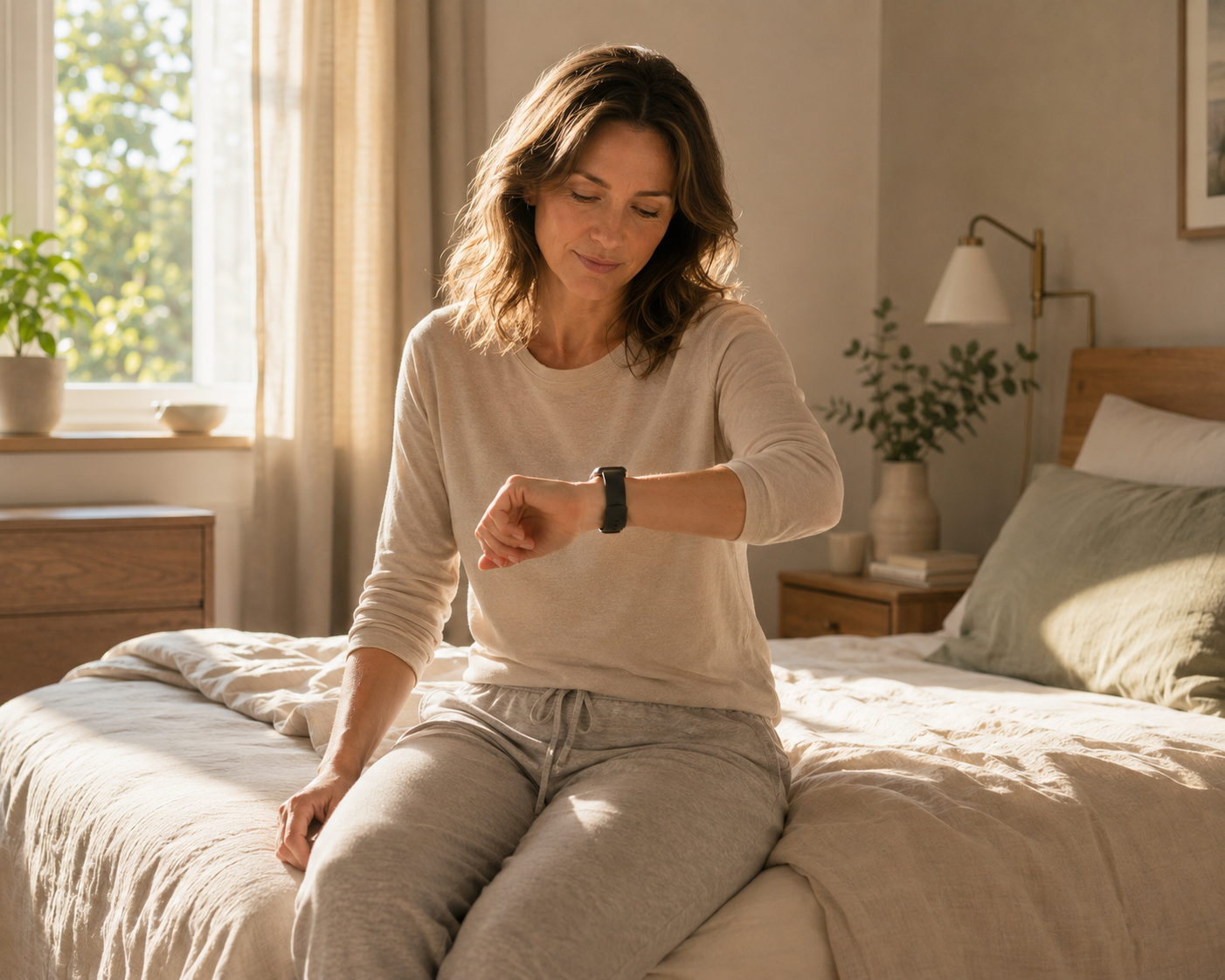
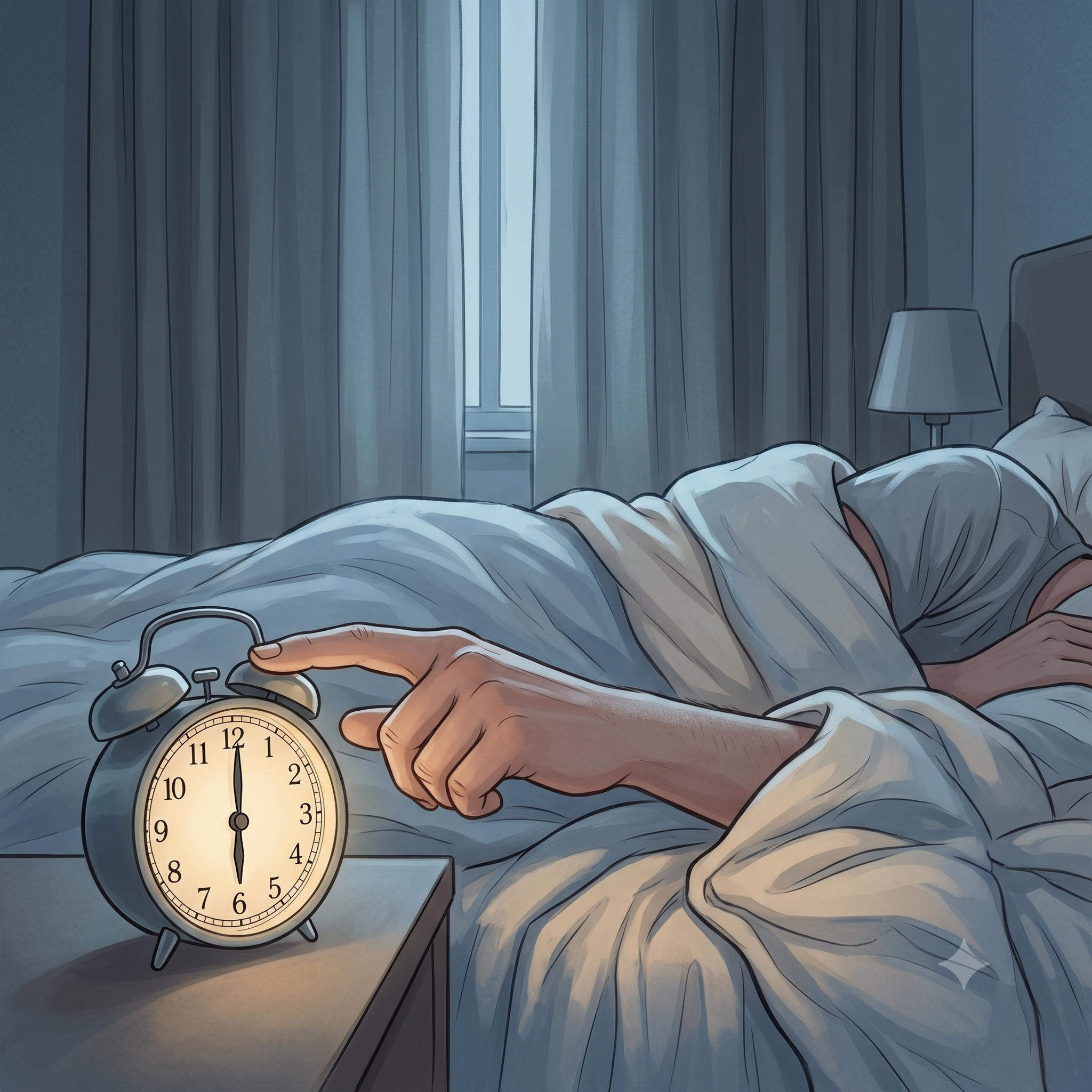
The alarm goes at 6:30. You tap snooze. And again. By the time you actually surface it's 7:10, you're behind before your feet hit the floor, and the whole morning becomes a scramble — no time for breakfast, coffee gulped in the car, emails answered at traffic lights. By 10am you feel foggy and reactive, and you can't quite say why. That "why" often traces back to a single, sleepy decision: the snooze button.
Here's the twist most articles miss: the science on whether snoozing itself harms your sleep is genuinely mixed. The real cost is the spiral it sets off — the way a fragmented, rushed start drains the energy you need for the entire day. Understand that cascade and you can design a morning that doesn't depend on heroic willpower at 6:30am.
What is the snooze button spiral?
The snooze button spiral is the chain reaction that begins the moment you delay getting up. A fragmented wake-up leaves you groggy; the lost time forces a rushed morning; the rush means skipping the very things that create energy — daylight, a proper breakfast, a few minutes of movement. You arrive at your day already depleted and behind, and that deficit compounds hour by hour.
It's a spiral rather than a single event because each step makes the next one worse. The groggier and later you are, the more corners you cut; the more corners you cut, the flatter your energy; the flatter your energy, the harder every decision becomes. The snooze button is just where it starts.
What is sleep inertia?
Sleep inertia is the technical name for that heavy, foggy feeling right after waking. It's a transitional state in which arousal is reduced and both cognitive and physical performance are temporarily impaired immediately after you wake. For most people it fades within about half an hour, but it hits harder when you're sleep-deprived or dragged out of deep sleep.
This matters because snoozing can wake you mid-cycle again and again, so you keep re-entering that groggy state instead of clearing it. The goal isn't to eliminate sleep inertia — it's natural — but to move through it quickly rather than marinating in it for an hour.
Is hitting snooze actually bad for you?
Honestly, the direct evidence is more nuanced than the usual "never snooze" advice suggests. A 2024 laboratory study found that around 30 minutes of snoozing cost only about six minutes of sleep and, for later chronotypes, did not clearly worsen grogginess or mood — and may even have helped by avoiding waking from deep sleep. So snoozing isn't the villain it's often made out to be.
But that's not permission to spiral. Habitual snoozing usually signals something worth fixing: you're under-slept, your wake time is misaligned with your body clock, or your mornings have no structure. And whatever the physiology, those extra rounds eat the exact window you need for a calm, energising start.
Key insight: The question isn't "is snoozing bad?" but "why do I need to snooze at all?" A short delay is harmless; a daily battle with the alarm is a sign the whole morning needs redesigning.
How your morning sets your day's energy
The first hour after waking is when your body takes its cues for the day: light tells your brain it's time to be alert, movement and food kick-start your metabolism, and a calm sequence sets a tone of control rather than chaos. Skip all of that in a panic and you spend the rest of the day playing catch-up — mentally slow, easily rattled, reaching for caffeine and sugar to paper over the gap.
There's a knock-on effect for your choices, too. Starting the day depleted and behind means you burn through your self-control early, and that shortfall tends to surface later as poorer decisions — the same mechanism behind why we cave to cravings and bad choices by the evening. A frantic morning doesn't just cost you an hour; it taxes the whole day's energy budget.
How do I break the snooze button spiral?
You break it by fixing the root cause and then removing the friction — not by white-knuckling your way out of bed. This is the same principle behind building systems instead of relying on willpower: make the good outcome the easy one.
Anchor a consistent wake time
The single biggest fix is waking at roughly the same time every day, including weekends. A steady schedule lets your body clock prepare you to wake, so you rise closer to a light sleep stage and feel less groggy — which means far less urge to snooze in the first place. Chronic snoozing is often just chronic under-sleeping in disguise; protect your bedtime and the mornings sort themselves out.
Get bright light as early as possible
Light is the fastest way to shift out of sleep inertia. Research on morning light exposure shows it helps improve alertness and performance as you recover from grogginess after waking. Throw open the curtains, step outside, or use a sunrise alarm that gradually brightens your room. A gentle light-based wake, like the Philips SmartSleep wake-up light, nudges you awake from a lighter stage so the alarm — and the snooze reflex — barely registers.
Give yourself one tiny action on rising
Don't try to conquer the whole morning at once. Pick one small, automatic thing to do the moment your feet touch the floor, using the three-minute rule — stand up, open the blinds, and switch on a bright light. Since light is the fastest way to shake off grogginess, sitting by a light therapy lamp for a few minutes gives you an easy first win that clears sleep inertia and breaks the pull back toward the pillow.
Design your morning — don't rely on willpower
Willpower at 6:30am is the least reliable resource you have, so build a morning that runs without it: lay tomorrow out tonight, and put the alarm across the room so you have to get up to silence it. A dedicated loud alarm clock — rather than your phone — makes drifting back to sleep almost impossible and keeps the snooze button out of arm's reach.
If you'd like that structure without doing it all by hand, Health Mentor AI is built to help you spot the patterns in your mornings, keep your wake time consistent, and see how a steadier start feeds into your energy across the day. You can get the app to try it as it rolls out.
The bottom line: win the morning, win the day
The snooze button isn't a moral failing, and a few extra minutes won't ruin you. What drains your day is the spiral — the groggy, rushed, light-starved start that leaves you chasing energy you never built.
So aim the fix at the root, not the symptom. Keep your wake time steady, get light early, and give yourself one easy action to start. Do that, and the alarm stops being a fight — because you've made getting up the path of least resistance.
Frequently Asked Questions
What is the snooze button spiral?
The snooze button spiral is the chain reaction that starts when you delay getting up: a fragmented, groggy wake-up leads to a rushed morning, which means skipping light, food and movement, which leaves you reactive and low on energy for the rest of the day. The problem is less the snooze itself and more the hurried, disorganised start it creates.
Is hitting the snooze button actually bad for you?
The direct physiological evidence is mixed. Recent research found that a short snooze period costs only a few minutes of sleep and, for late chronotypes, may even ease grogginess by avoiding waking from deep sleep. The real cost is behavioural: repeated snoozing usually signals you are under-slept or misaligned, and it eats the time you need for a calm, energising start.
What is sleep inertia?
Sleep inertia is the transitional grogginess right after waking, when arousal is low and cognitive and physical performance are temporarily impaired. It usually fades within about 30 minutes but is worse if you are sleep-deprived or wake from deep sleep. Morning light and movement help it lift faster.
How do I stop hitting snooze in the morning?
Fix the root cause first: keep a consistent wake time so you are not chronically under-slept, and get bright light soon after waking. Then remove the friction by using a gradual sunrise alarm, giving yourself one tiny non-negotiable action on rising, and making it easy to start moving. When waking feels manageable, the snooze button loses its pull.
Scientific References
- Effects of using a snooze alarm on sleep inertia after morning awakening - Sleep and Biological Rhythms (NIH)
- Is snoozing losing? Why intermittent morning alarms are used and how they affect sleep, cognition, cortisol, and mood - Journal of Sleep Research (PubMed)
- Morning Sleep Inertia in Alertness and Performance: Effect of Cognitive Domain and White Light Conditions - PLOS ONE (NIH)
Products Mentioned in This Article
These products were referenced throughout the article to support a calmer, higher-energy morning.
Philips SmartSleep Wake-Up Light
A gradual sunrise simulation brightens your room before the alarm sounds, nudging you awake from a lighter sleep stage. An easier wake-up means far less pull toward the snooze button.
View on Amazon →Verilux HappyLight Light Therapy Lamp
Bright light is the fastest way out of morning grogginess. A few minutes beside a 10,000-lux lamp as you get ready helps clear sleep inertia and signals your brain that the day has started.
View on Amazon →Loud Alarm Clock (Bed Shaker)
Placed across the room, a dedicated loud alarm forces you up to switch it off — no phone, no easy snooze within reach. The simplest way to break the drift back to sleep.
View on Amazon →As an Amazon Associate, we earn from qualifying purchases. This comes at no additional cost to you.